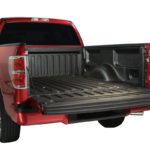
F-150 Bedliner Options: Drop-In, Spray-In and Bed Mat Systems Compared
-
- November 24, 2026

Few trucks have more bed protection options than the Ford F-150. Owners can choose from factory and aftermarket drop-in liners, spray-in liners from many shops and brands, rubber bed mats, and carpet-style bed systems. The right choice depends on what you haul, where you live and how you use the truck. This guide compares the three main categories and the practical considerations that come up on forums again and again.
Bed construction matters
Recent F-150 generations use aluminum alloy for much of the body, including the bed on many trucks, while earlier trucks used steel. Aluminum does not rust like steel, but it can still corrode, scratch and dent. The bed material affects preparation for spray-in liners and how scratches behave over time. Check your specific truck’s construction and model year when researching options, and confirm fitment with the product maker.
Drop-in liners
Drop-in liners are molded plastic shells that fit into the bed.
Pros:
- Removable and replaceable
- Often lower upfront cost
- Good dent protection from impact on the bed floor and walls
Cons:
- Can trap water and debris underneath, which can affect the bed finish over time
- Movement between the liner and the bed can scuff paint
- Slick surfaces can let cargo slide
- May interfere with factory tie-downs, cargo management systems or accessories
- Can rattle on rough roads
Spray-in liners
Spray-in liners are sprayed directly onto the bed, typically polyurea, polyurethane or hybrid materials, and bond to the bed surface. If you are pricing the spray-in route, here is what a spray-in bedliner typically costs and what drives the price.
Pros:
- Bonded to the bed, so no water or debris gets underneath
- Conforms to the bed’s shape, including corrugations and around tie-down points
- Textured surface helps prevent cargo from sliding
- Durable and repairable
- Can cover bed rails and the tailgate if desired
Cons:
- Permanent; removal is difficult
- Quality depends heavily on the installer and prep
- Many materials can fade in sunlight without a UV-stable topcoat
- Higher upfront cost than some drop-ins
Bed mats and carpet-style systems
Rubber bed mats lie on the bed floor. Carpet-style systems cover the floor and sometimes the walls with a padded fabric.
Pros:
- Cushion cargo and knees
- Rubber mats give good cargo grip
- Carpet-style systems are gentle on delicate items and popular with owners who haul furniture or gear
- Removable for cleaning
Cons:
- Floor-only mats leave walls and rails unprotected
- Can trap moisture underneath if not removed periodically
- Carpet-style systems absorb spills and are less suited to messy loads
Comparing by use case
| Use | Good fit |
|---|---|
| Daily driver, light hauling | Spray-in or bed mat |
| Construction and job sites | Spray-in |
| Hauling furniture or delicate gear | Carpet-style system or mat over spray-in |
| Leased truck | Removable drop-in or mat |
| Salt-belt winters | Spray-in, to prevent water trapping |
| Heavy impacts, rock and scrap | Spray-in, possibly with a mat for extra cushioning |
Cargo management and accessories
Many F-150s have factory tie-down systems, bed lighting, power outlets or cargo management rails. Check how each bed protection option interacts with these features. Spray-in shops typically mask tie-down tracks and outlets. Drop-ins and some mats may need cutouts or may cover features entirely. If you plan to add a tonneau cover, bed rack or toolbox, consider how they mount over or through the liner.
Common problems to watch for
Each option has a typical way of going wrong, and knowing them helps you avoid them. Drop-ins can rattle on rough roads and can hide dirt and water underneath until the liner is finally pulled out. Spray-in liners disappoint mainly when the installation is poor: thin spots, overspray on trim and seals, or fading on rails and tailgates where no UV topcoat was used. Mats cushion well but need to be lifted and dried after wet weather, or moisture sits under them for days. None of these are reasons to rule out a product. They are the points to check when you compare quotes, inspect a finished job, or plan your maintenance routine.
Think about the tailgate and rails
The tailgate top and bed rails take more contact than people expect: elbows, loading ramps, ladders and tie-down straps all rub here. Some owners choose spray-in coverage over the rails for this reason, while others prefer rail caps or leave the paint exposed for appearance. If you coat the rails, a UV-stable topcoat keeps them from fading, since they are always in the sun.
Choosing a spray-in shop
- Ask about preparation, especially for aluminum beds.
- Ask which material they spray and whether a UV-stable topcoat is available.
- Ask whether they cover rails, tailgate or just the floor and walls.
- Ask how they mask tie-downs, outlets and lights.
- Look at examples of trucks they sprayed a year or more ago.
- Ask about warranty terms and what they cover.
Long-term care
- Remove mats and drop-ins periodically to clean and dry the bed.
- Rinse spray-in liners to remove salt and grit.
- Use UV protectant or a topcoat to slow fading.
- Repair damaged spray-in areas promptly.
Related reading: F-150 Aluminum Bed Bedliner: What’s Different When the Bed Isn’t Steel
Frequently asked questions
Do I need a bedliner on an aluminum F-150 bed?
Aluminum does not rust like steel, but it scratches and dents. A liner protects the bed’s appearance and resale value.
Can I combine a spray-in liner and a mat?
Yes. Many owners add a mat over a spray-in liner for cushioning. Remove it periodically to let the bed dry.
Will a spray-in liner affect resale value?
A well-applied spray-in liner is often viewed positively. A poorly applied one can have the opposite effect.