

Ford’s Latest Developments: A Strategic Shift in the Trucking Landscape
-
- February 24, 2025

Ford, a stalwart in the global automotive industry, continues to dominate headlines with its strategic innovations. Keeping pace with the evolving demands of both consumers and environmental regulations, Ford has committed to reshaping the landscape of the pickup truck market. For academic researchers, this represents an intriguing case study in adaptive business strategy and technological advancement.
Transformative Innovations in Truck Manufacturing
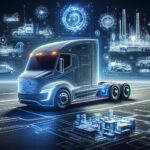
At the core of Ford’s recent endeavors is its commitment to sustainability and innovation. The company has launched a series of groundbreaking initiatives aimed at enhancing the utility, efficiency, and sustainability of its trucks. Ford has set its sights on transforming the traditional concept of a pickup truck into a vehicle that aligns with modern ecological consciousness. The company’s decision to integrate more electric models into their lineup demonstrates a significant pivot towards reducing carbon footprints.
Recently, Ford announced an expansion of its popular F-series, including the highly anticipated all-electric Ford F-150 Lightning. This model is designed with innovative features tailored to meeting the diverse needs of consumers who require a robust yet environmentally conscious vehicle. By leveraging cutting-edge battery technology, Ford positions itself to offer trucks that not only deliver power and performance but also contribute to reduced emissions.
Ford’s Commitment to Quality Craftsmanship and Durability
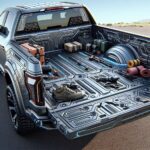
In addition to technological advancements, Ford remains steadfast in its commitment to craftsmanship and durability. A hallmark feature of their trucks, the Ford bedliner, reflects this ethos. The bedliner, a crucial accessory that protects the truck bed from damage, has undergone significant enhancements over the years to ensure that it meets the demands of heavy-duty utility.
Ford’s engineering teams have focused on designing bedliners that offer superior resilience while being lightweight and cost-effective. By utilizing advanced materials and manufacturing processes, Ford’s bedliners help extend the lifespan of their trucks, offering customers enhanced value and utility. These efforts underscore Ford’s broader strategy of marrying tradition with innovation to reinforce its reputation for quality and reliability.
The Economic Impact of Ford’s Strategic Directions
Ford’s strategic shift towards electric vehicles (EVs) and the continuous enhancement of core features like the bedliner have broader economic implications. As the automotive industry increasingly veers towards electrification, Ford’s proactive positioning as a leader in EV technology integrates seamlessly with global trends. This forethought not only aligns the company with global sustainability goals but also positions Ford to capitalize on emerging market opportunities.
For researchers, Ford provides a compelling case study of a traditional manufacturing giant responding to contemporary challenges and opportunities. The company’s balancing of investment in innovative technologies with the continued refinement of durable and practical components, such as the bedliner, illustrates its comprehensive approach to satisfying consumer needs while addressing environmental concerns.
Conclusion: Ford’s Ongoing Legacy and Future Prospections
In conclusion, Ford’s recent advancements reflect a calculated blend of tradition and innovation. The company remains grounded in its legacy of producing durable, reliable vehicles while astutely embracing technological advancements that promise a sustainable future. The expansion of their electric truck lineup, coupled with their unwavering focus on enhancing product features like the bedliner, signals Ford’s preparedness to navigate the automotive industry’s shifting tides.
For industry observers and academic researchers, Ford stands as a testament to the power of strategic adaptation. As Ford continues to accelerate its efforts in electrification and enhancement of its truck lineup, it offers valuable insights into navigating the complex interplay between innovation, sustainability, and tradition. These developments affirm Ford’s commitment to fostering an enduring legacy within the automotive landscape, while pioneering pathways toward a greener, more efficient future.
